One of the more difficult items to address is the ever-increasing bureaucracy that becomes politicized and runs contrary to its purpose. Republicans, from a principled standpoint, push for merit and the need for offices, while Democrats may flood government positions as political rewards.
The problem with nepotism is that it creates a budget strain on the local, borough, township, county, city, and state levels. The second issue is that the services intended for the position are not being met. Case in point: One qualified person may be fired for being able to do a completely competent job, but due to nepotism, that good person is let go, and four more incompetent people with bloated salaries are hired in their place.
This does no good—it just rewards political support, but from the purpose of government, it does not provide the critical services needed to meet the needs of the local population. These practices are known to show how detrimental they are to economies of scale in the long term and have contributed to urban blight throughout the history of the United States. To stem the tide, if you look at A-tier cities and countries, their bureaucracy is held accountable, and services are allocated as designed. When you have government bloat—and don’t misunderstand me, there is room for some bloat, but I personally believe not above 20%—anything above that impacts the quality of life and does not get the best resources to grow, serve, maintain, or provide services critical to a municipality.
Corruption is seen in all walks of life, from local government to businesses and corporations, and even in agendas that have no scientific evidence but are only introduced to cause divisions so others may profit from the disarray, or push confusion to capitalize on it with political points or financial tax dollars derived from taxpayers later. The citizens of a municipality and the tax base they provide are a resource; crooks only conduct heists to seize those resources in the long term and may be deflecting and creating chatter to misdirect from the facts. But the truth is they want to take you for a ride, and the continued support of these agendas without a 10,000-foot view leaves the individual at their mercy to be played.
Examples
New York City under Tammany Hall (especially Boss Tweed era, 1860s–1870s) Tammany Hall, the Democratic political machine, exemplified patronage corruption. Boss William Tweed and his “Ring” embezzled an estimated $200 million (equivalent to billions today) through inflated contracts, kickbacks, and graft. Funds meant for public works were siphoned off, leading to inadequate infrastructure despite rapid urbanization. This contributed to overcrowded tenements, poor sanitation, and urban decay in immigrant neighborhoods. While Tammany provided short-term aid to the poor (e.g., jobs and charity in exchange for votes), long-term mismanagement exacerbated poverty and blight. Exposés by Lincoln Steffens in The Shame of the Cities (1904) highlighted how such corruption plagued multiple cities, including New York.
Chicago’s Democratic Machine (Richard J. Daley era, 1950s–1970s) Chicago’s long-running machine relied heavily on patronage, with tens of thousands of city and county jobs distributed to political loyalists. This led to overstaffing, inefficiency, and resources diverted from services like maintenance and development. Patronage contributed to fiscal strain and neglect in certain neighborhoods, fostering decline in areas with high poverty. While the machine delivered infrastructure projects, critics argue it prioritized political rewards over equitable service, indirectly worsening blight in disfavored wards.
Other Progressive-Era Cities (e.g., Pittsburgh, St. Louis, Minneapolis) Steffens’ investigations revealed widespread patronage-driven corruption: rigged contracts, boodling (bribery), and nepotism led to poor public goods provision (e.g., garbage collection, sanitation). In cities like Charleston, SC, aristocratic nepotism funneled contracts to elites, reinforcing inequality and inadequate services. NBER studies from the era show patronage regimes had higher taxes, budgets, and wages but lower efficiency, constraining long-term urban health.
Los Angeles “Pay-to-Play” Scandals (2018–2024)
A wave of federal investigations targeted City Council members amid a real estate boom. Former Councilmember Jose Huizar pleaded guilty in 2023 to racketeering and tax evasion, admitting to accepting over $1.5 million in bribes from developers for project approvals. He was sentenced in 2024 and became the third council member imprisoned in recent years. Related cases included:
- Mitch Englander (guilty plea in 2020 for obstructing investigation into bribes).
- Mark Ridley-Thomas (convicted in 2023 for bribery and fraud involving county contracts).
- Curren Price (charged in 2023 with embezzlement and perjury). These eroded public trust and highlighted how unchecked power in development approvals fosters corruption.


Chicago Ongoing Investigations (2020s)
Chicago retains its reputation for corruption, with the Northern District of Illinois leading federal public corruption convictions. Recent cases tie to utility giant Commonwealth Edison (ComEd) bribing officials for favorable legislation, implicating associates of former House Speaker Michael Madigan (indicted in 2022; trial ongoing). Additional probes involve red-light camera contracts and aldermanic bribery (e.g., former Ald. Ed Burke convicted in 2023 for extortion). Patronage lingers in subtler forms, contributing to fiscal strain.
New York City: Mayor Eric Adams and Others (2024–2025)
Federal indictments hit Mayor Eric Adams in 2024 for alleged bribery and fraud involving Turkish officials and campaign contributions (case ongoing as of late 2025). Separate scandals included arrests of NYPD and fire department officials for bribery. Historical machine-style favoritism echoes here, though merit systems limit overt nepotism.

Spotlight on Public-Sector Corruption in the United States
Broader Trends
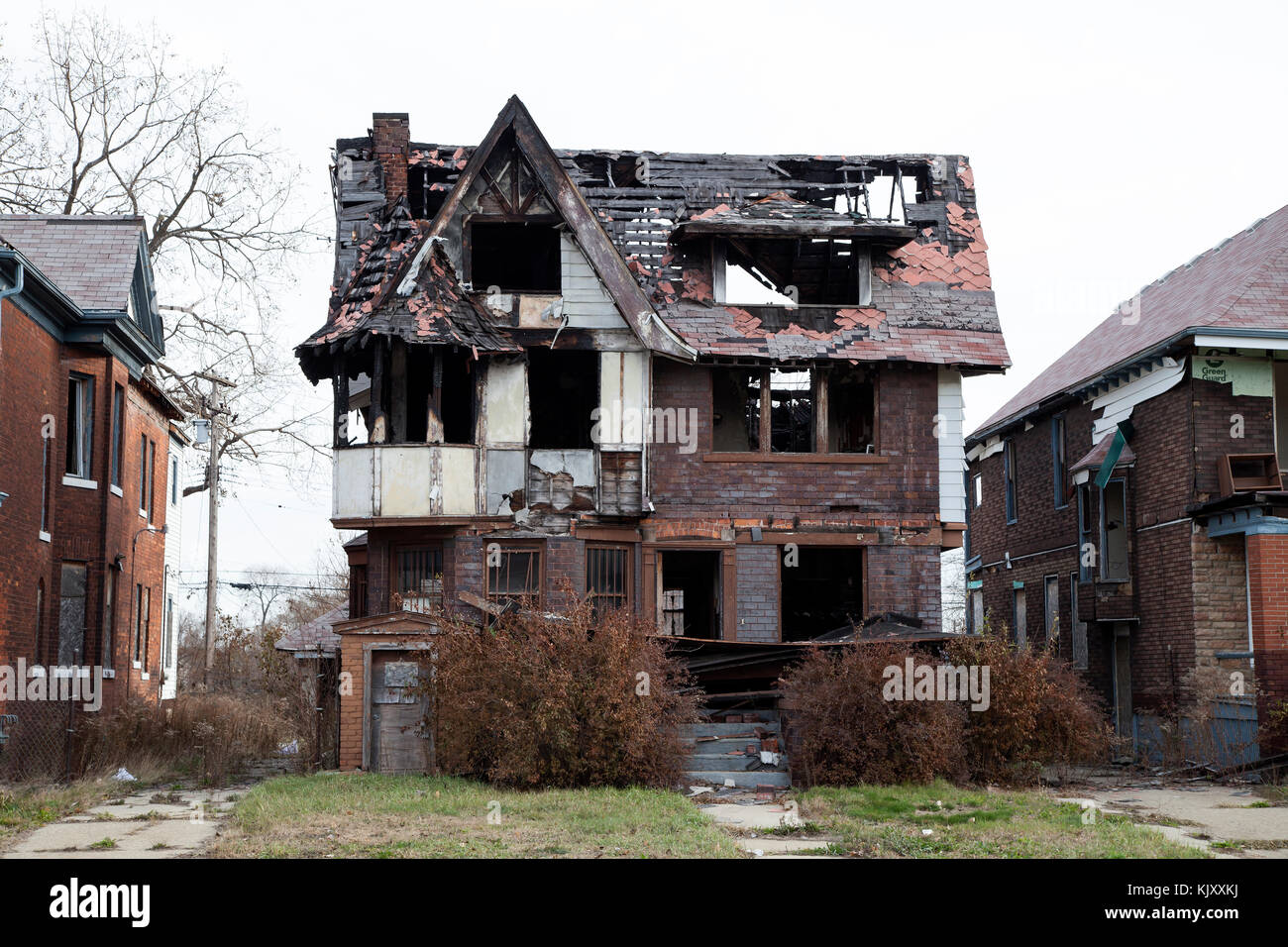
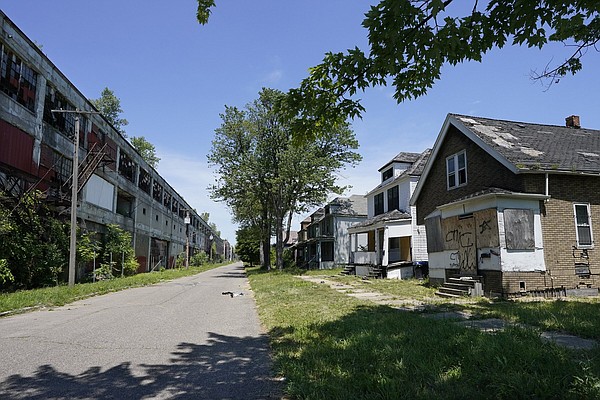
Federal data show fluctuations but persistent issues in major cities. Convictions declined in some areas (e.g., Manhattan) but remain high in others. Patronage/nepotism survives in hiring for non-civil-service roles or no-bid contracts. Direct causation to urban blight (abandoned buildings, decaying infrastructure) is debated—recent blight in cities like Detroit or Baltimore stems more from economic shifts, population loss, and foreclosures than corruption alone. However, scandals divert funds from maintenance and services, indirectly worsening neglect.


Reforms like ethics oversight and competitive bidding help, but rapid urban development creates ongoing vulnerabilities.
